History
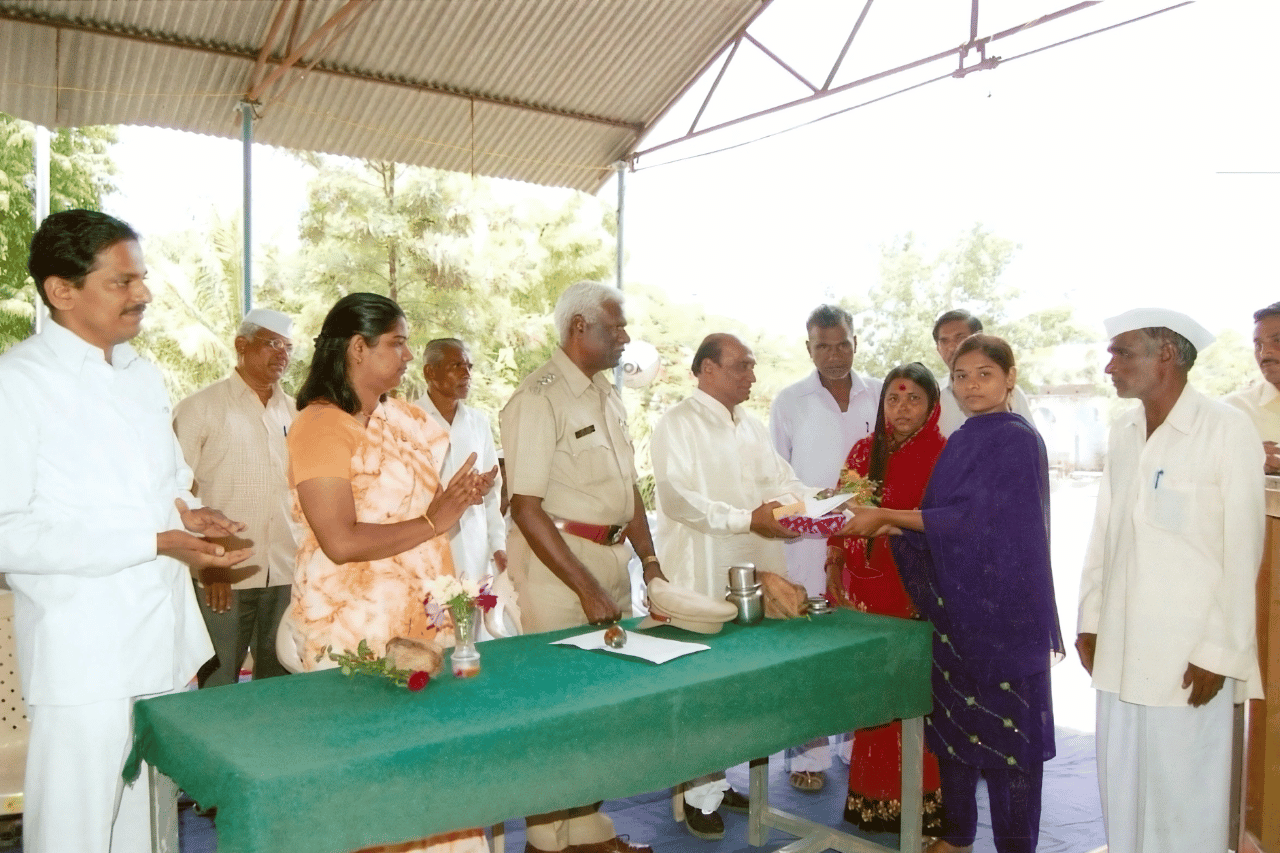
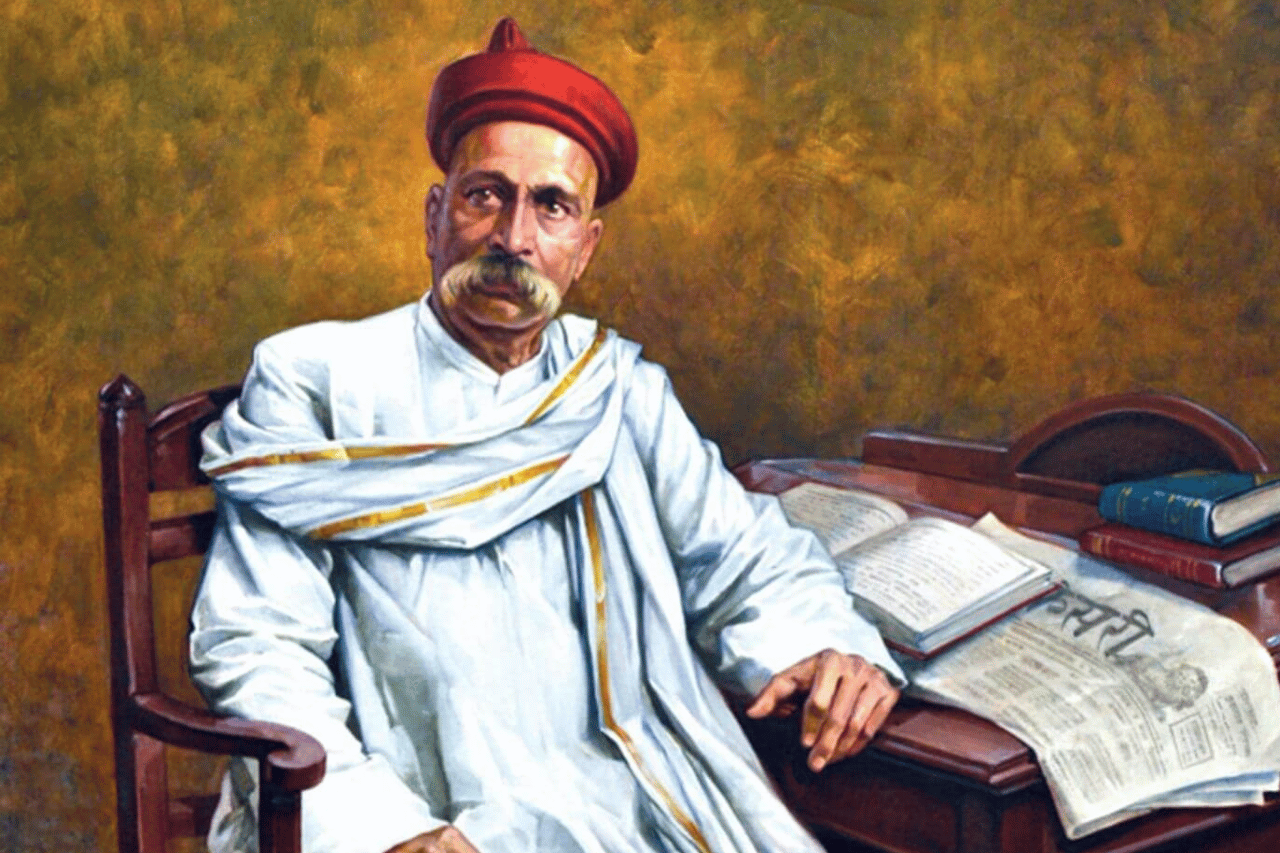
Rashtriya Shikshan Mandal, located in Ahilyanagar, was established in the backdrop of the Indian freedom movement. Lokmanya Tilak, a fierce advocate for India’s independence, declared the historic and inspiring statement, “Swarajya is my birthright and I shall have it” right here in Ahilyanagar. He launched a national movement based on four key principles: Swarajya (self-rule), Swadeshi (localism), National Education, and Boycott.
As part of this movement, Tilak emphasized the need for national education in the mother tongue to instill a sense of pride and national identity among Indians. This inspired people across Maharashtra to set up schools based on Indian values rather than British-run education systems. Nationalist schools were soon established in places like Pune (Talegaon), Amravati, Yavatmal, and later in Ahilyanagar.
Establishment of Rashtriya Pathshala
Visit by Mahatma Gandhi
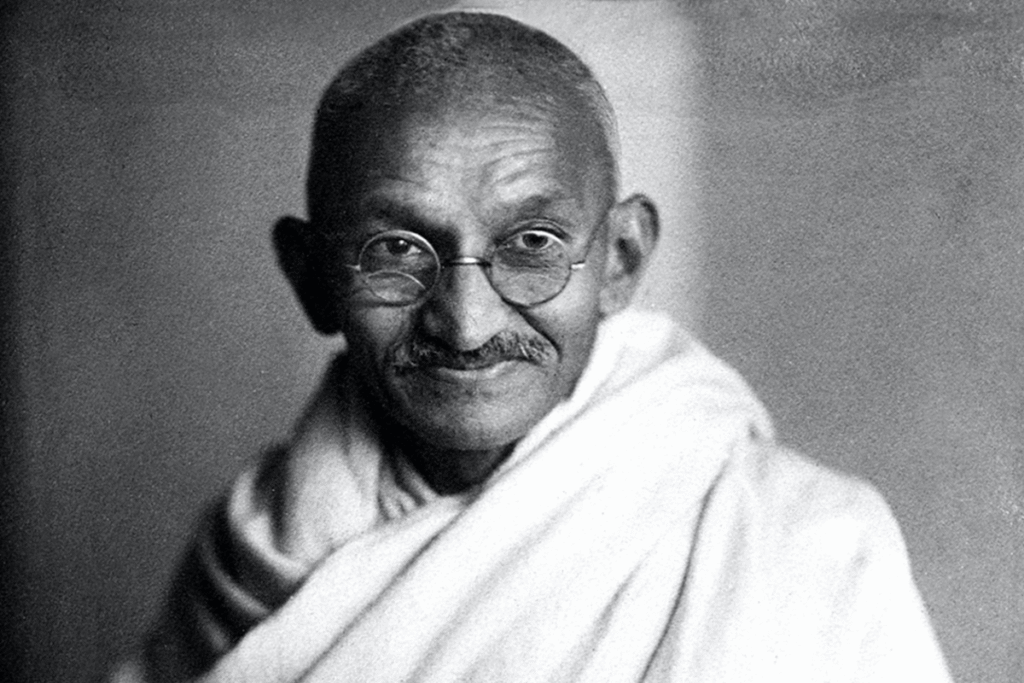
This school gained national recognition. As a result, Mahatma Gandhi visited the school and remarked:
"I have inspected this school. The students are very intelligent. I see this school as a beautiful little lamp amidst a vast sea of darkness."
Patriotic and Self-Reliant Education
Students collected donations from the community to manage school expenses. They organized morning and evening rallies to raise public awareness. Besides traditional education, they were trained in weaving, carpentry, paper cutting, printing, and other vocational skills to promote self-reliance. The school produced many outstanding students who served the nation.
‘Mohan Mudra Mandir’ Printing Press
To promote professional training and generate financial support for the institution, the Mohan Mudra Mandir printing press was established around 1925 and named after Mahatma Gandhi. It published newspapers like Deshbandhu and Sandesh, playing a vital role in the freedom movement.
British Ban on the School
The patriotic spirit and activism among students drew the ire of the British. In 1932, the British government banned the school. However, the institution’s leaders did not stop. In 1933, they established “The Friends of Depressed League” and began a student hostel (Chatralaya) named Chatralaya to continue their educational efforts. Key figures such as N.N. Sathya, Com. J.K. (Abasaheb) Kakade, and Com. P.K. Bhapkar (Bapusaheb Bhapkar) worked tirelessly, managing the hostel without government aid, solely with public support.
Re-establishment of Rashtriya Shikshan Mandal
After India’s independence, these freedom fighters re-established Rashtriya Shikshan Mandal. It was officially registered under the Mumbai Public Trust Act on October 15, 1953, with registration number E 59, Ahilyanagar. To provide education to students in the FDL Hostel, the Rashtriya Pathshala High School was reopened on June 28, 1961, in Ahmednagar.
Synonymous with Quality Education
Today, Rashtriya Shikshan Mandal is a symbol of quality education in the district. The institution runs the following branches effectively:
- N. Sathya D. & B. Pharmacy College
- Rashtriya Pathshala High School
- Technical Division
- Primary Division
- Dahifal High School, Taluka Shevgaon
The alumni of these institutions are contributing significantly to nation-building. This institution proudly upholds the legacy of the freedom struggle through dedication and a strong sense of purpose.
“To bring about social transformation by providing quality and vocational education rooted in the values of freedom, self-reliance, and patriotism, and to nurture students into ideal and responsible citizens.”
“Founded with the inspiration of the freedom movement, Rashtriya Shikshan Mandal offers education that blends mother tongue, patriotism, and traditional knowledge. The institution aims to make students self-reliant, efficient, and socially aware by integrating modern technology and professional skills.”
Objectives
- To provide education based on the values of freedom, Swadeshi, and nationalism.
- To promote self-respect and patriotism by educating students in their mother tongue.
- To equip students with self-employment skills through vocational, technical, and traditional education alongside academics.
- To offer hostel and educational facilities to students from poor, deprived, and rural backgrounds.
- To build students who look up to national icons and are dedicated to social and national service.
- To run value-based schools and colleges as alternatives to English-medium institutions.
- To develop students socially, educationally, and morally, fostering their overall personality development.